LEGGIC FIT
How to Measure Leggings
A few flat garment measurements make online comparisons far more reliable: waistband, front rise, back rise, inseam and ankle opening.
Reviewed 2026-09-15
A few flat garment measurements make online comparisons far more reliable: waistband, front rise, back rise, inseam and ankle opening.
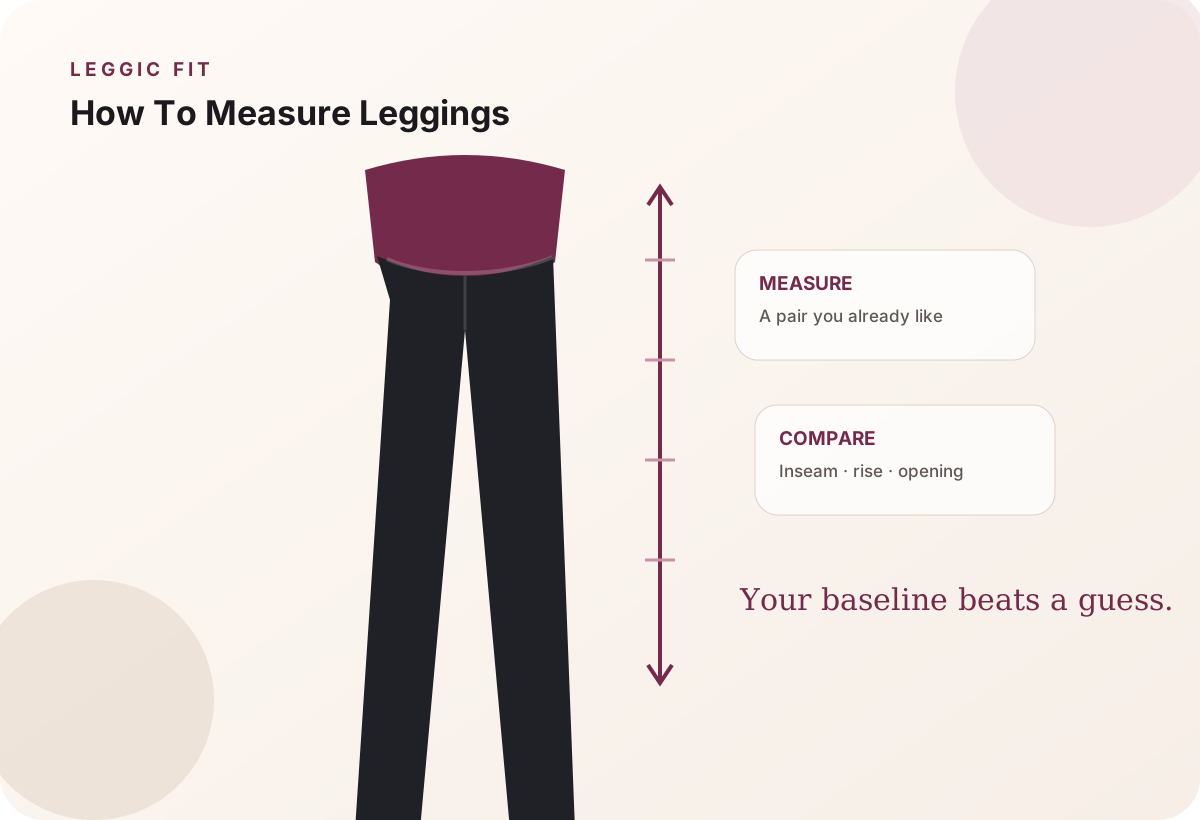
What matters
- Lay the garment flat without stretching.
- Measure the same way each time so comparisons are meaningful.
- Record both garment measurements and how the pair actually fits you.
Five useful flat measurements
- Waistband width measured straight across, then doubled if you want an approximate unstretched circumference.
- Front rise from crotch intersection to the top of the front waistband.
- Back rise from crotch intersection to the top of the back waistband.
- Inseam along the inside leg seam.
- Ankle or leg opening measured flat across the hem.
Consistency matters more than false precision
Stretch garments do not behave like rigid trousers, so a flat measurement is not a complete prediction of body fit. Its value comes from comparing garments measured the same way. A difference of an inch in rise or inseam can explain more than a vague 'runs small' review.
Use this in practice
Compare the garment information you can verify — measurements, construction, care label and composition — with the way the pair actually behaves on your body. Avoid treating a single marketing term as a guarantee.